The Best Way to Store Keepsake Items (From a Professional Organizer’s Perspective)
1. Start with a Curated Collection (Not Storage First)
Before choosing bins or boxes, edit your keepsakes:
Keep only what truly represents meaningful moments
Remove duplicates, guilt items, or “just because” pieces
Professional truth: Storage won’t fix over-keeping—editing will.
2. Use a “Container Limit” System
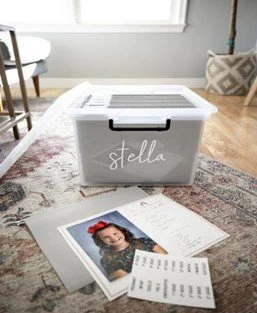
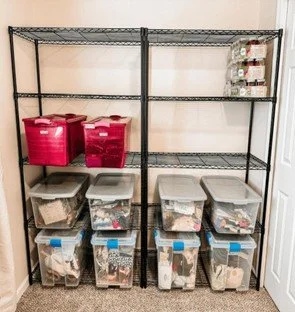
Give keepsakes a defined home:
1 bin per person
1 box per category (travel, childhood, etc.)
This keeps collections intentional and prevents overflow.
3. Choose Archival-Quality Materials
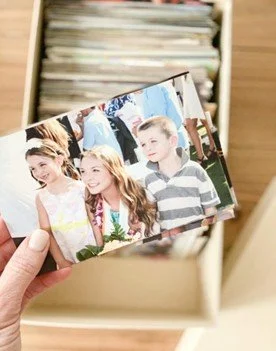
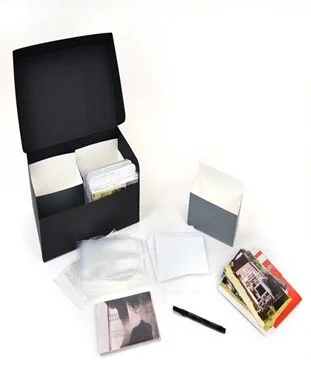
Protect what matters most:
Acid-free boxes for photos & paper
Lignin-free folders
Sheet protectors for binders
This prevents yellowing, fading, and deterioration over time.
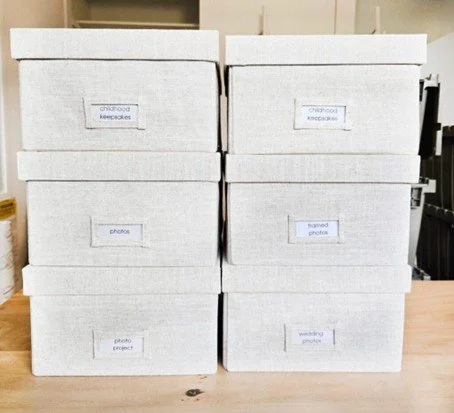
4. Subdivide Inside Your Storage
Avoid the “memory junk drawer” effect:
Use smaller boxes, envelopes, or pouches
Group by category or life stage
Organized keepsakes are usable keepsakes.
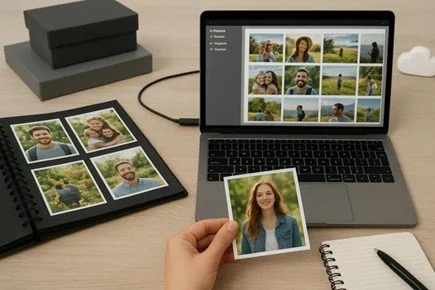
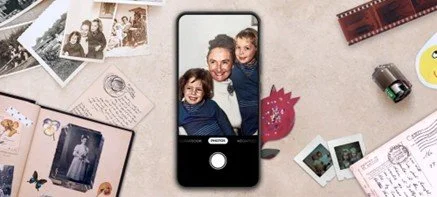
5. Digitize Strategically (Not Everything)
Digitize:
Bulky items (artwork, school papers)
Duplicates
Items you don’t need physically
But keep a small curated set of originals for emotional connection.
6. Display Instead of Storing Everything
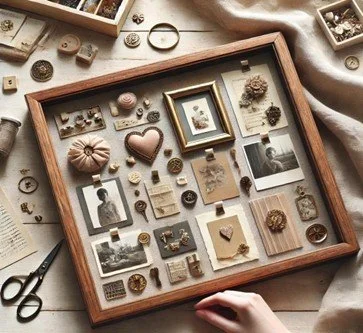
Professionals always recommend:
Frame a few meaningful pieces
Rotate seasonal or sentimental displays
Use a shadow box for small items
If everything is hidden, nothing is special.
7. Store in the Right Environment
Avoid:
Basements (moisture)
Attics (heat)
Garages (temperature swings)
Best locations:
Interior closets
Climate-controlled rooms
Preservation matters just as much as organization.
8. Label Like a Pro
Simple, clear labeling:
Name + category + date range
Example: “Emma | School Years | K–5”
If it’s not labeled, it’s eventually forgotten.
9. Create a System for Kids’ Keepsakes
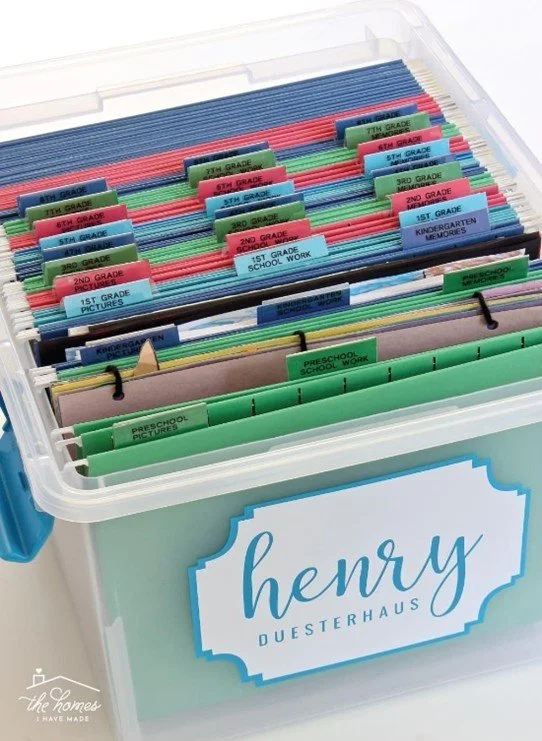
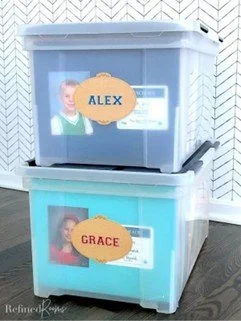
Keep it sustainable:
One bin per child (total—not per year)
File by grade or age
Keep only standout items
This prevents emotional clutter buildup over time.
10. Maintain with a Yearly Edit
Professional organizers always build in maintenance:
Add intentionally
Remove something when adding something new Revisit once a year
Keeps your collection curated—not overwhelming.